
The Future of Everyday Technology: How Innovation Is Reshaping Daily Life in the United States
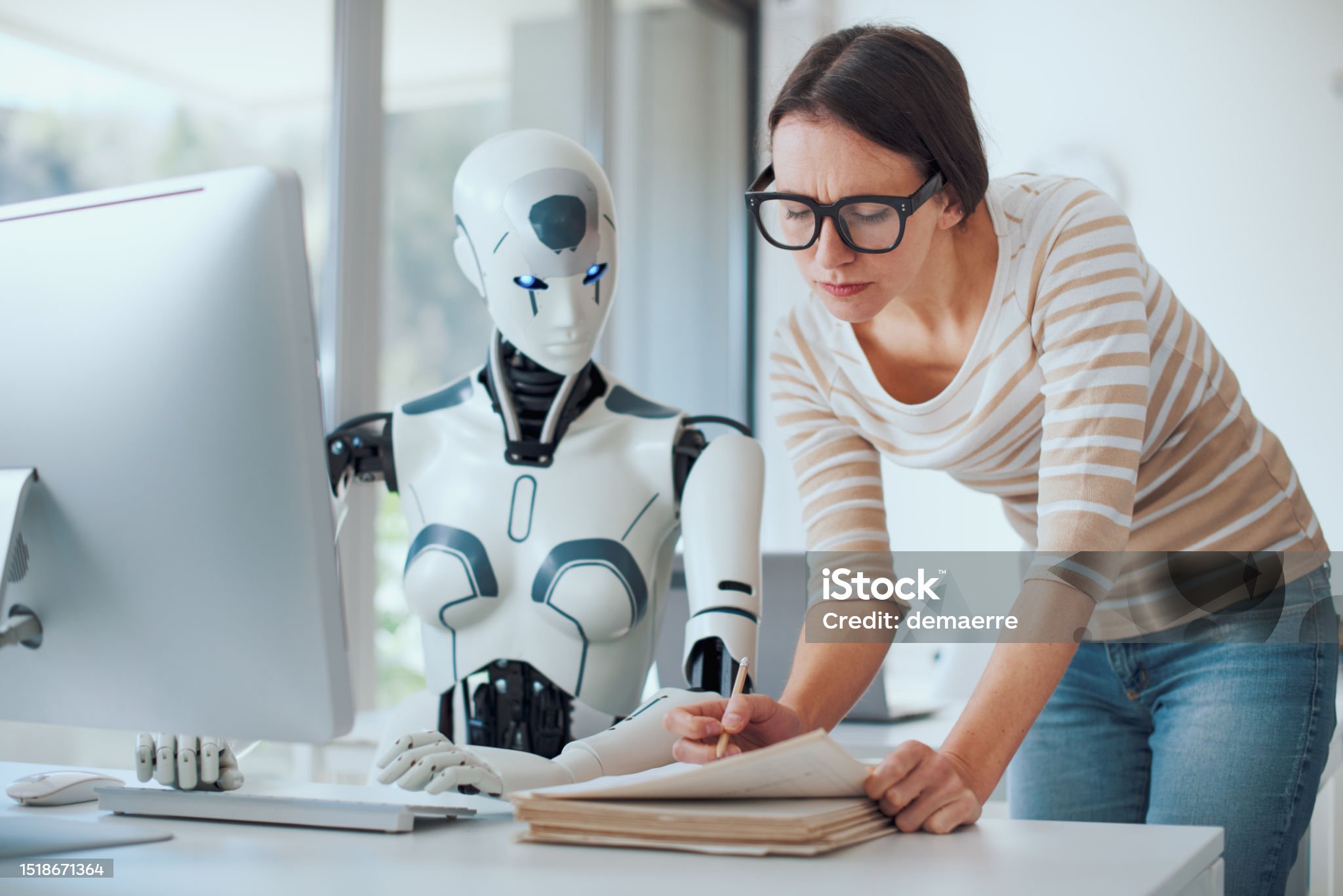
Technology is no longer something that sits quietly in the background of modern life. It has become the infrastructure of daily routines, shaping how people work, communicate, travel, shop, and manage their homes. Across the United States, rapid technological advancement is transforming industries while also changing the habits of millions of households.
From smart homes and remote work tools to artificial intelligence applications and cloud computing, the pace of innovation continues to accelerate. Understanding these changes is essential not only for professionals in tech-driven industries but also for everyday consumers who interact with digital tools throughout the day.
This article explores how emerging technologies are reshaping daily life, the industries leading the transformation, and what Americans can expect in the coming years.
Why Technology Matters More Than Ever
Technology influences nearly every sector of the U.S. economy. Businesses rely on digital tools to streamline operations, improve customer experiences, and stay competitive in a rapidly evolving marketplace.
For individuals, technology provides convenience and efficiency. Tasks that once required hours—such as banking, shopping, or scheduling appointments—can now be completed in minutes through a smartphone.
Several trends have accelerated this shift:
Widespread high-speed internet access
Growth of cloud-based platforms
Increased reliance on digital services
Expansion of smart devices in homes and workplaces
As these technologies mature, they continue to redefine what consumers expect from businesses and services.
Smart Homes Are Becoming the New Standard
One of the most visible examples of technological integration is the rise of smart homes. Devices that once seemed futuristic are now common in American households.
Smart thermostats, connected lighting systems, and voice-controlled assistants allow homeowners to manage their living spaces with minimal effort.
Popular Smart Home Technologies
Some of the most widely adopted smart home devices include:
Smart thermostats that adjust temperature automatically
Smart security cameras with mobile alerts
Voice assistants that control appliances
Smart lighting systems that save energy
These devices not only add convenience but also help reduce energy consumption. According to energy studies, smart thermostats can reduce heating and cooling costs by up to 10–15 percent annually.
Real-World Example
Consider a homeowner in Austin, Texas. By installing a smart thermostat and automated lighting system, the household reduced monthly energy costs by nearly $40. Over a year, that small change resulted in hundreds of dollars in savings.
Remote Work Technology Is Transforming the Workplace
The American workplace has undergone significant changes in recent years. Remote work technologies have enabled millions of professionals to perform their jobs outside traditional office settings.
Cloud collaboration platforms, video conferencing tools, and project management software have made distributed teams more productive than ever.
Key Technologies Supporting Remote Work
Several tools have become essential for modern workplaces:
Cloud storage platforms for document sharing
Video conferencing systems for meetings
Team communication platforms for real-time collaboration
Project management tools for tracking tasks and deadlines
These technologies allow employees to stay connected regardless of location, improving flexibility while reducing commuting time.
Benefits for Employees and Employers
Remote work technology offers advantages for both sides of the workforce:
Employees benefit from:
Flexible schedules
Reduced commuting costs
Improved work-life balance
Employers benefit from:
Access to a wider talent pool
Reduced office expenses
Increased productivity in many roles
This shift has also influenced real estate markets, transportation patterns, and urban planning across the country.
The Rise of Cloud Computing
Cloud computing has become the backbone of modern digital infrastructure. Instead of storing data on local computers, businesses and individuals now rely on remote servers accessible through the internet.
Why Cloud Technology Matters
Cloud services provide several advantages:
Scalable storage capacity
Improved data security
Faster collaboration between teams
Reduced hardware costs
Small businesses in particular benefit from cloud platforms because they can access enterprise-level tools without investing heavily in physical infrastructure.
Example: Small Business Transformation
A small retail company in Chicago migrated its inventory and customer management systems to the cloud. The result was real-time inventory tracking across multiple store locations and improved customer service through faster order processing.
This type of transformation is becoming increasingly common across industries.
Artificial Intelligence in Everyday Applications
Artificial intelligence is no longer confined to research labs or high-tech companies. It is now integrated into many tools that people use daily.
Common Applications
Consumers interact with AI-powered systems more often than they realize:
Personalized product recommendations in online stores
Fraud detection in banking apps
Navigation systems that predict traffic patterns
Customer service chat systems
These technologies analyze patterns in data to provide faster and more accurate results.
Real-World Impact
Streaming platforms, for example, rely on intelligent recommendation systems to suggest movies or shows based on viewing history. This improves the user experience while helping companies retain subscribers.
In healthcare, AI-powered diagnostic tools assist doctors in analyzing medical images more efficiently, potentially leading to earlier detection of diseases.
Cybersecurity Is Becoming a Top Priority
As digital technology expands, so do concerns about data security. Cybersecurity has become a major focus for businesses, government agencies, and individuals.
Data breaches and online fraud can have serious financial and reputational consequences.
Common Cybersecurity Threats
Some of the most common threats include:
Phishing scams
Ransomware attacks
Identity theft
Data breaches
Organizations are investing heavily in security technologies to protect sensitive information.
Practical Steps for Individuals
Consumers can also take steps to improve their digital security:
Use strong, unique passwords
Enable multi-factor authentication
Keep software updated
Avoid suspicious links or emails
These simple habits significantly reduce the risk of cyber threats.
The Expansion of Internet of Things (IoT)
The Internet of Things refers to networks of connected devices that communicate with each other through the internet.
These devices range from wearable fitness trackers to smart appliances and industrial sensors.
How IoT Is Changing Industries
Several industries are benefiting from IoT technologies:
Healthcare: Remote patient monitoring devices track vital signs and send data to medical professionals.
Transportation: Connected vehicles provide real-time navigation updates and safety alerts.
Manufacturing: Sensors monitor equipment performance and predict maintenance needs.
Example: Smart Cities
Cities across the United States are experimenting with IoT technologies to improve public services. Smart traffic systems, for example, can adjust signal timing based on traffic flow, reducing congestion and emissions.
The Role of 5G in Future Innovation
5G wireless networks are another major technological development shaping the future. Compared with previous generations of mobile connectivity, 5G offers significantly faster speeds and lower latency.
What 5G Enables
Faster connectivity opens the door to new possibilities:
Advanced telemedicine services
Real-time augmented reality applications
Improved smart city infrastructure
Faster cloud computing access on mobile devices
These improvements will support innovation across industries ranging from healthcare to entertainment.
Technology and Sustainability
Technology is also playing an important role in environmental sustainability. Companies and consumers alike are using digital tools to reduce energy consumption and minimize waste.
Examples of Green Technology
Some notable developments include:
Smart energy grids that optimize electricity distribution
Electric vehicles reducing carbon emissions
Precision agriculture technologies that reduce water usage
These innovations demonstrate how technology can contribute to environmental responsibility while supporting economic growth.
What the Future of Technology May Look Like
Looking ahead, several trends are likely to shape the next decade of innovation in the United States.
Key Emerging Trends
Automation in more industries
Greater integration of smart devices
Expanded digital healthcare services
Improved cybersecurity technologies
More sustainable technology solutions
As these trends continue to evolve, technology will become even more embedded in everyday life.
Frequently Asked Questions (FAQ)
What are the most important technology trends today?
Some of the most influential trends include cloud computing, smart home technology, artificial intelligence applications, cybersecurity advancements, and the expansion of 5G networks.
How does technology impact everyday life in the United States?
Technology affects nearly every aspect of daily life, from communication and transportation to banking, shopping, and home management. Digital tools help people complete tasks faster and more efficiently.
Why is cybersecurity becoming more important?
As more services move online, protecting sensitive data becomes essential. Cybersecurity helps prevent identity theft, financial fraud, and unauthorized access to personal or business information.
What is the Internet of Things?
The Internet of Things (IoT) refers to connected devices that collect and share data through the internet. Examples include smart thermostats, fitness trackers, and connected vehicles.
Will remote work remain common in the future?
Many companies are adopting hybrid work models that combine remote and in-office work. Technology will continue to support flexible work arrangements across various industries.
Final Thoughts
Technology is evolving at a remarkable pace, reshaping how Americans live and work. From smart homes and remote collaboration tools to cloud computing and advanced connectivity, innovation continues to expand the possibilities of modern life.
For consumers, staying informed about technological trends can help them make better decisions when choosing devices, services, or digital tools. For businesses, embracing new technologies often determines long-term competitiveness.
As the next wave of innovation unfolds, one thing is clear: technology will remain a driving force behind economic growth, convenience, and progress in the United States.